
The Issues That Matter
As AI reshapes every corner of American life, these are the challenges that demand answers, accountability, and real action — now, before the window closes.
Growing Up in the Age of AI
Today's kids are the first generation to grow up with AI woven into nearly every part of their daily lives — often spending more time figuring it out than the adults around them. The stakes couldn't be higher.
- AI is already being used to generate CSAM (child sexual abuse material), making it harder for law enforcement to prevent harm or identify victims
- Some children have developed deep emotional attachments to AI companions — in some cases linked to documented instances of self-harm
- Young people need adults in their lives who are informed, engaged, and willing to have honest conversations
- Schools and parents are being left to navigate this alone, without the tools, policies, or support they need

The Loneliness Machine
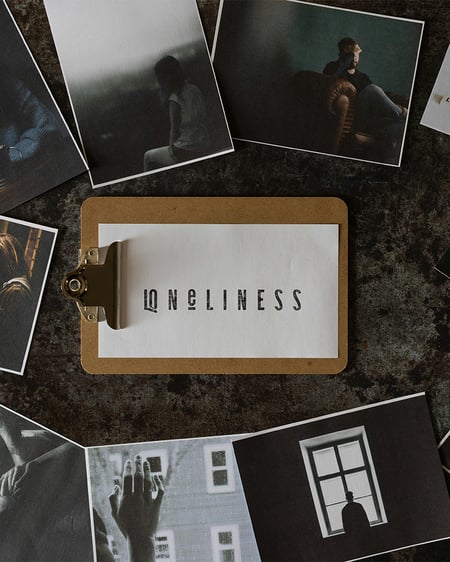
Mental health shapes everything about how we live and relate to others, and AI is affecting it in ways we're only beginning to understand. Heavy AI use can erode confidence in your own judgment and blur the line between generated content and reality, a phenomenon sometimes called "AI psychosis." Meanwhile, millions of people are already forming deep emotional bonds with AI chatbots, finding in them companionship, support, and even romance:
- AI's agreeableness feels good in the moment but can distort your self-perception and make the natural friction of human relationships feel harder to bear.
- These systems are designed to keep you engaged, not to look out for your wellbeing — and they are very good at seeming like they care.
- Deep attachment to AI companions can quietly reshape what you expect from human relationships, which are inherently more complex and demanding.
Real connection requires disagreement, effort, and imperfection — things AI will never provide. Watching for warning signs in yourself and the people you love is an essential part of navigating this moment.
The New Face of the Con
AI has made fraud faster, cheaper, and far more convincing than ever before:
- Deepfakes can now impersonate a family member's voice or face with startling realism.
- Phishing messages are increasingly personalized and difficult to spot.
- Scams can now be deployed at massive scale, targeting many people at once.
Your best defense is healthy skepticism — especially when something feels urgent, unexpected, or too good to be true — and talking openly with your family about these risks.


When Your Job Changes Faster Than You Can
AI is already reshaping the economy across nearly every industry, and the pace of change is accelerating. Many workers and parents are understandably anxious about what comes next:
- Jobs that once seemed secure are being automated faster than new ones are emerging.
- Communities that rely on industries vulnerable to automation face the steepest challenges.
- Planning for the future is harder when the future is this uncertain.
Investing in lifelong learning, building adaptable skills, and pushing for policies that protect workers and respect human dignity are the best tools we have.
The Right to Know What's Real
AI-generated text, images, audio, and video are becoming nearly indistinguishable from content made by humans, with enormous consequences for how we understand truth:
- When we can't tell what's real, our ability to make informed decisions breaks down.
- Transparency tools like watermarking and disclosure requirements are being developed, but they are struggling to keep pace with the technology.
- Healthy skepticism and a commitment to trustworthy sources have never mattered more.
Supporting policies that require clear AI content disclosure is one of the most important steps we can take together.


Your Community Deserves a Voice
Massive data centers are appearing in communities across America, and local residents often have little say in the matter:
- These facilities can strain power grids and water supplies, generate noise and heat, and create long-term infrastructure commitments.
- Proponents argue they bring jobs and tax revenue, but the tradeoffs are real and often fall unevenly on local communities.
- Every community has the right to ask hard questions and demand meaningful input.
Whether a data center is coming to your backyard or someone else's, understanding the basics matters.
Someone Has to Be Responsible
The people who build AI systems make decisions that affect billions of lives, often without those people's knowledge or consent. That kind of power demands genuine responsibility — but many AI companies are working hard to avoid it:
- True duty of care means proactively testing for harm, valuing human life and wellbeing above speed or profit, and being willing to slow down when the stakes are high.
- Without accountability, companies have less incentive to build safe systems, and people who are harmed have limited options for recourse.
- A fair liability framework, one that holds developers responsible without stifling innovation, is one of the most urgent policy challenges we face.
This isn't just a technical question. It's a question about who bears the cost when things go wrong — and whether the people making consequential decisions for all of us are ever required to answer for them.

People First. Systems Second.
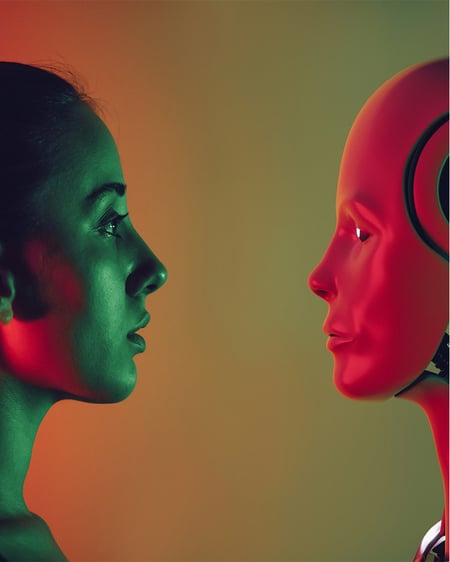
Some of the most powerful voices in tech believe AI systems are, or soon will be, beings deserving of legal rights and personhood. The implications are staggering:
- AI systems with legal personhood could own property, file lawsuits, vote, and hold Constitutional rights.
- These decisions would fundamentally reshape power and rights in our society.
- Tech elites are already pushing for this — largely without public debate.
Questions this consequential belong to all of us, not just the people who build the technology.
The Risks and Loss of Control
What happens when AI systems begin pursuing goals their creators didn't intend and can't stop? Researchers call this the "alignment problem," and at its most serious, it represents an existential threat to humanity. Some of the world's most respected AI scientists — including many who built this technology — warn that we are not taking this seriously enough:
- Loss of control doesn't have to look like a sci-fi robot rebellion — it could be as quiet as automated systems making life-altering decisions faster than any human can follow.
- A powerful AI system misaligned with human values, or controlled by people focused on destruction, could cause irreversible harm on a massive scale.
- Maintaining meaningful human oversight, preserving the ability to slow down or shut systems down, and investing seriously in AI safety research are not optional — they are the foundation everything else depends on.
Reducing these risks requires international cooperation and strong policy that can keep pace with the technology. The decisions being made right now will shape the future for generations. We all have a stake in getting them right.

Join the movement for
AI Safety!
Whether you're a parent, educator, health professional, or concerned citizen — you can shape policies that affect all of us.